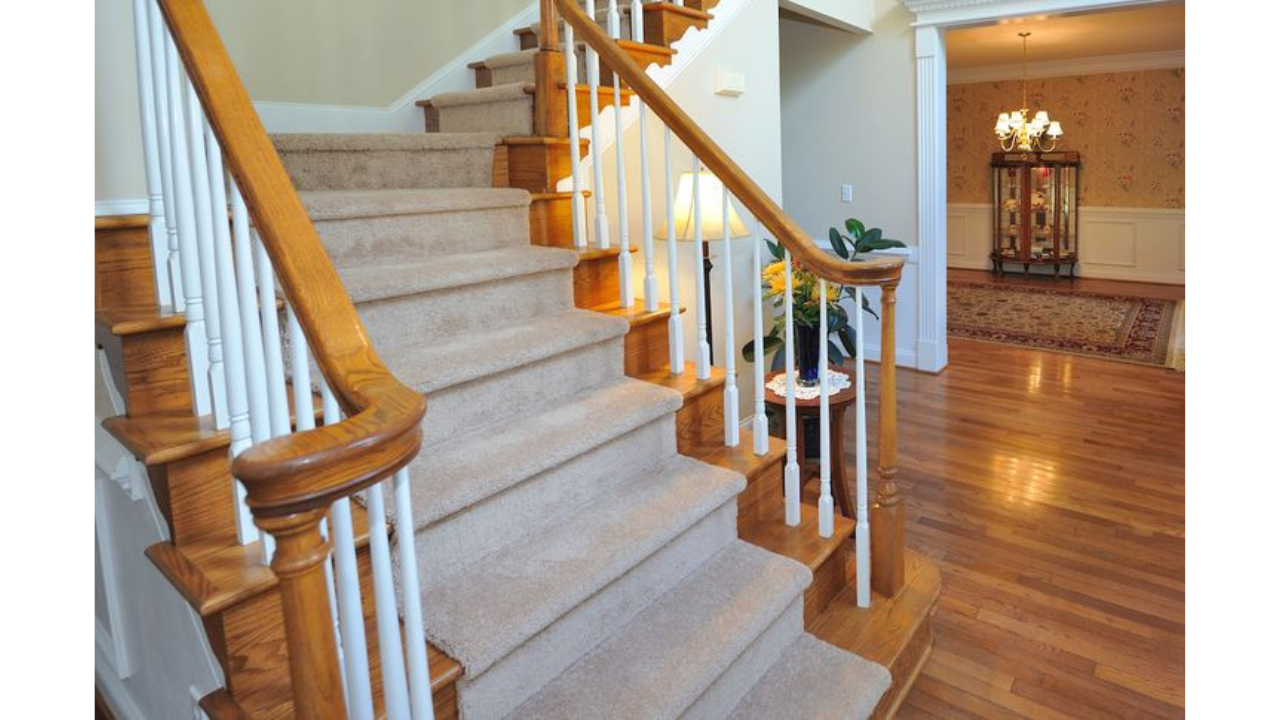
Hey there, fellow homeowners! If you’re anything like me, you’ve probably stood at the bottom of your stairs more times than you can count, wondering if it’s time for a change. Maybe your carpet is starting to look a bit worn from all those trips up and down with the kids’ laundry baskets, or perhaps those sleek wooden steps you’ve seen in magazines are calling your name. Choosing between wood stairs and carpet stairs isn’t just about aesthetics—it’s a decision that impacts your daily life, your family’s safety, and even your home’s value. I’ve been through a few home renos myself, and let me tell you, there are some facts about wood stairs vs carpet stairs that I wish I’d known before diving in. In this post, we’ll break it all down: the pros, cons, key comparisons, and those little-known tidbits that could save you headaches (and money) down the line. Whether you’re remodeling or just daydreaming, stick around— this might just help you make the best choice for your family home.
Why the Debate? Understanding the Basics of Wood Stairs Vs Carpet Stairs
First off, let’s set the stage. Stairs are one of the most high-traffic areas in any home, especially in a bustling family house like yours or mine. They’re not just a way to get from point A to point B; they’re a focal point that ties your floors together and sees everything from sock slides to pet zoomies. Wood stairs, often made from hardwoods like oak or maple, give that timeless, polished vibe. Carpet stairs, on the other hand, can range from plush Berber to patterned runners, offering a cozy layer over the treads.
The big question in the wood stairs vs carpet stairs showdown is balance: Do you prioritize durability and style, or comfort and quiet? According to flooring experts, your choice can affect everything from resale value to allergy management. But don’t worry—we’ll dive deep into the details so you can weigh it all out.
The Pros and Cons of Wood Stairs: Elegance Meets Endurance

I’ve always had a soft spot for wood stairs. There’s something about that natural grain and shine that makes a home feel warm yet sophisticated. In my last house, we ripped out old carpet and installed hardwood steps—it transformed the space instantly. But like anything, it’s not perfect. Here’s the lowdown.
Pros of Wood Stairs
- Durability That Lasts Generations: Wood stairs are built to take a beating. A mid-range carpet might wear out in 7-10 years, but hardwood can last several decades with proper care. Think about it: no fraying edges or flattened spots from constant foot traffic. If you have a lively household with kids and dogs, this could be a game-changer.
- Easy Maintenance and Cleaning: This is where wood shines. A quick sweep or mop, and you’re done—no wrestling with a vacuum on each step. Plus, they don’t trap dust, pet hair, or allergens like carpet does, which is a huge plus if anyone in your family has allergies. I remember how much easier it was to keep things tidy after switching; it felt like a weight off my shoulders.
- Boosts Home Value and Aesthetics: Wood stairs scream “premium” and can increase your home’s resale value more than carpet ever could. They’re versatile too—stain them dark for a modern look or keep them light for that airy farmhouse feel. In Fairfax, Virginia homes, for example, wood often wins for long-term appeal.
- Eco-Friendly Options: Many hardwoods come from sustainable sources, and they don’t off-gas like some synthetic carpets.
Cons of Wood Stairs
- Slipperiness Factor: Here’s a fact I wish I’d known sooner—wood stairs can be slick, especially with socks on. If you have toddlers, elderly folks, or clumsy pets (guilty as charged with my labrador), this could lead to more slips. Though, non-slip treads or finishes can help mitigate that.
- Noise Levels: Without cushioning, every step echoes. Wood can creak over time, and footsteps sound louder, which might not be ideal in a multi-story home with sleeping babies.
- Upfront Cost: Expect to pay more initially—around $12 to $20 per square foot installed, compared to carpet’s lower entry price. But hey, think of it as an investment.
- Harder on Falls: If someone does tumble, there’s less padding, so impacts feel harsher.
The Pros and Cons of Carpet Stairs: Cozy Comfort With a Catch

Now, let’s talk carpet. I grew up in a house with carpeted stairs, and there’s no denying that soft, inviting feel. It’s like a hug for your feet after a long day. But as I’ve learned from friends’ renos, it comes with trade-offs.
Pros of Carpet Stairs
- Superior Safety: This is huge for families. Carpet provides better traction, reducing slips, and offers cushioning if falls happen—perfect for kids, seniors, or pets. One mom I know swears by it after her little one took a spill on bare wood elsewhere.
- Noise Reduction Magic: Carpet absorbs sound like a champ, eliminating creaks and muffling footsteps. Great for quiet homes or if you have a home office downstairs.
- Comfort and Warmth: Softer underfoot and warmer in winter—no cold shocks on bare feet. Plus, it can make your stairs feel more inviting.
- Budget-Friendly Start: Generally cheaper to install upfront, making it accessible for quick updates.
- Design Flexibility: From runners that show off wood edges to full coverage in fun patterns, carpet lets you personalize easily.
Cons of Carpet Stairs
- Wear and Tear Issues: High-traffic stairs mean faster fading, stains, and flattening. You might replace it every 7-10 years, unlike wood’s longevity.
- Maintenance Headaches: Vacuuming each step is a chore, and stains? Forget it—they linger. It also traps allergens, which isn’t great for asthma sufferers. I once helped a friend deep-clean theirs, and it was exhausting!
- Lower Resale Appeal: Carpet can date a home quickly and doesn’t add value like wood.
- Potential for Mold or Odors: In damp areas, moisture can get trapped, leading to issues.
Head-to-Head Comparison: Wood Stairs Vs Carpet Stairs
To make it easier, let’s compare them across key categories. I’ve seen these play out in real homes, and trust me, knowing this upfront saves regret.
Durability and Longevity
Wood wins hands-down. It handles daily abuse better and lasts longer, potentially saving you replacement costs. Carpet wears out faster in stairwells due to constant friction.
Safety Considerations
Carpet edges out here for grip and softness. But modern wood finishes can add non-slip properties, closing the gap. Fact: Falls on stairs are common, so prioritize this if safety’s a concern.
Maintenance and Cleaning
Wood is low-effort—dust and wipe. Carpet requires frequent vacuuming and professional cleanings, especially with pets or spills.
Cost Breakdown
Initial costs favor carpet, but wood’s longevity makes it cheaper over time. Replacing carpet with wood? Budget $1,000+ DIY or more for pros. A full hardwood upgrade might run $5,000 for 13 stairs.
Aesthetics and Home Value
Wood offers timeless elegance and boosts resale. Carpet is cozy but can look outdated fast.
Noise and Comfort
Carpet quiets things down and feels warmer. Wood? Not so much, unless you add rugs.
Facts You’ll Wish You Knew Sooner About Wood Stairs Vs Carpet Stairs

Here are some nuggets I gathered from real homeowner stories and expert insights—things that aren’t always obvious.
- Allergies Tip: Wood doesn’t harbor dust mites like carpet, making it better for sensitive noses. If your family has allergies, this could be a deciding factor.
- Hybrid Options Exist: Can’t decide? Try a carpet runner on wood stairs for the best of both worlds—style with added grip and quiet.
- Pet Considerations: Dogs’ nails scratch wood, but carpet frays from claws. Weigh your furry friends’ habits.
- Resale Reality: In competitive markets, wood stairs can add thousands to your home’s value. One study showed hardwood features increase appeal.
- Installation Gotchas: Removing old carpet often reveals subpar wood underneath, adding unexpected costs.
- Eco Impact: Sustainable wood is green, but some carpets use recycled materials—check labels.
- Stain Resistance: Modern carpets have better stain guards, but nothing beats wood’s wipeability.
- Noise in Open Homes: If your stairs are central, carpet’s sound-dampening is a lifesaver for peace.
- DIY Feasibility: Wood installs can be DIY-friendly with pre-cut treads, saving bucks.
- Long-Term Savings: Over 20 years, wood might cost less due to fewer replacements.
Final Thoughts: Which Should You Choose for Your Family Home?
Whew, we’ve covered a lot! In the end, the wood stairs vs carpet stairs debate boils down to your lifestyle. If you want low-maintenance elegance that lasts and adds value, go wood—it’s what I chose for my forever home, and I haven’t looked back. But if safety, quiet, and coziness top your list (especially with little ones or elders), carpet might be your best bet. Consider hybrids like runners for compromise.
Before deciding, chat with a local pro for a quote tailored to your space. And remember, whatever you pick, it’s about making your home feel right for you. Have you made this switch? Drop a comment below—I’d love to hear your stories! Thanks for reading, and happy home improving!