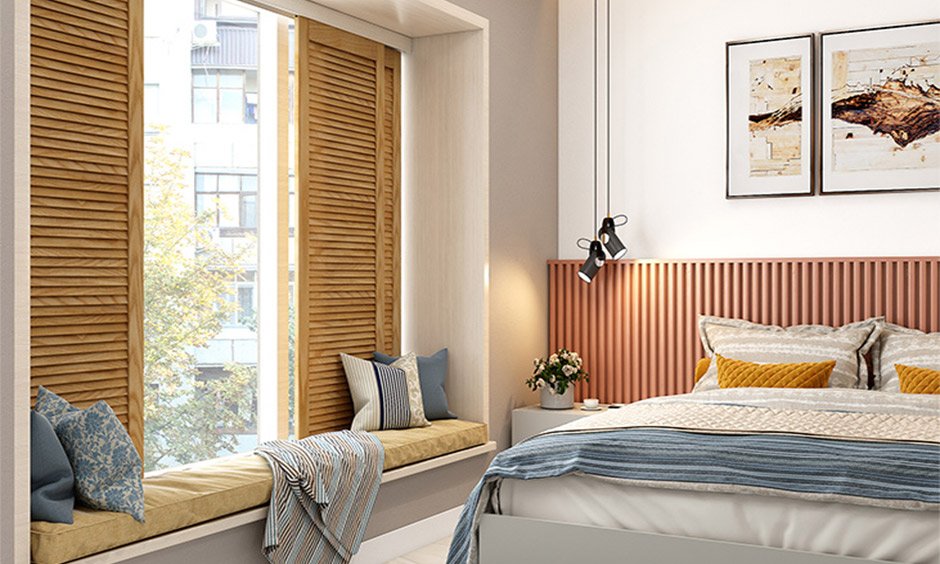
Walking into my friend’s newly decorated living room, I was struck by the elegant window treatments—a sleek, fabric-covered pelmet framed her curtains, adding a touch of sophistication I hadn’t expected. Pelmets, once dismissed as old-fashioned, are staging a stunning revival in modern interiors, blending functionality with undeniable charm. This comprehensive guide explores why pelmet designs are trending again, offering practical tips, design inspiration, and a sprinkle of humor to help you embrace this timeless window accent. Whether you’re a design enthusiast or a homeowner looking to elevate your space, let’s dive into the world of pelmets and discover why they’re stealing the spotlight.
What Are Pelmets, Anyway?
Pelmets are decorative frameworks, typically made of wood, MDF, or fabric, placed above windows to conceal curtain rods and enhance aesthetics. They add a polished finish to window treatments while offering insulation and light-blocking benefits. Once a staple in grand estates, pelmets are now reimagined for modern homes, proving they’re more than just your grandma’s decor.
A Brief History of Pelmets
Pelmets date back centuries, adorning the windows of aristocratic homes and palaces with opulent fabrics and intricate designs. By the 20th century, they became common in everyday homes but faded as minimalist trends took over. Today, their revival reflects a renewed love for layered, nostalgic interiors.
Why Pelmets Fell Out of Favor
In the 1980s and 1990s, pelmets were often seen as fussy or dated, overshadowed by sleek blinds and minimalism. Homeowners ripped them out during renovations, favoring open, airy spaces. But like bell-bottoms, what’s old is new again, and pelmets are back with a modern twist.
The Modern Pelmet Renaissance
Pelmets are making a comeback because they blend style and function in ways that resonate with today’s design trends. From minimalist box pelmets to bold, scalloped designs, they’re shedding their “granny-ish” reputation. Interior designers and homeowners alike are rediscovering their versatility, making them a must-have for 2025.
Nostalgia Meets Modernity
The resurgence of vintage-inspired decor, like floral patterns and layered textures, has paved the way for pelmets. Modern designs use clean lines and neutral fabrics to fit contemporary spaces. This blend of nostalgia and sophistication appeals to millennials and Gen Z craving unique, cozy interiors.
Functional Benefits Driving Popularity
Beyond aesthetics, pelmets offer practical perks like hiding curtain hardware and improving insulation. They block light leaks and reduce heat loss, making them ideal for energy-conscious homeowners. In a world of rising energy costs, these benefits are hard to ignore.
Customization for Every Style
Pelmets are no longer one-size-fits-all. From sleek wooden frames to plush velvet designs, they can be tailored to any decor style—minimalist, maximalist, or rustic. This versatility makes them a favorite among designers looking to add personality to a room.
Types of Pelmet Designs
Pelmets come in various styles, each offering unique flair and functionality. Whether you prefer understated elegance or bold drama, there’s a pelmet design to suit your space. Let’s explore the most popular types trending today.
Box Pelmets
Box pelmets are flat, rectangular panels, often made of wood or MDF, covered in fabric for a clean, modern look. They’re perfect for concealing curtain tracks and suit minimalist or contemporary interiors. Their simplicity makes them versatile for any room size.
Shaped Pelmets
Shaped pelmets feature curved, scalloped, or arched edges, adding a playful or elegant touch. They’re ideal for softening a room’s aesthetic and work well in bedrooms or living spaces. Custom shapes can echo other furnishings for a cohesive look.
Soft Pelmets (Valances)
Soft pelmets, or valances, are fabric-only designs that drape gracefully without a rigid frame. Often adorned with trims or ruffles, they evoke a romantic, traditional vibe. They’re perfect for cottages or vintage-inspired homes.
Swags and Tails Pelmets
Swags and tails pelmets are dramatic, with cascading fabric loops and tails for a luxurious feel. Best suited for formal spaces like dining rooms, they add grandeur but require high ceilings to shine. These are the divas of pelmet designs.
Comparison: Pelmets vs. Other Window Treatments
Pelmets stand out among window treatments, but how do they stack up against blinds, shades, or bare curtains? Here’s a quick comparison to help you decide.
| Feature | Pelmets | Blinds | Shades | Curtains Alone |
|---|---|---|---|---|
| Aesthetic | Polished, decorative | Sleek, modern | Soft, versatile | Simple, functional |
| Light Control | Enhances with curtains | Excellent | Good | Moderate |
| Insulation | Good (with curtains) | Moderate | Good | Poor |
| Hardware Concealment | Excellent | Good | Good | Poor |
| Customization | High | Moderate | High | Moderate |
Pelmets excel at adding a finished look and boosting curtain performance, making them a unique hybrid of style and function.
Pros and Cons of Pelmets
Pelmets are a fantastic addition, but they’re not for everyone. Here’s a balanced look at their advantages and drawbacks, based on my own experience installing them in my home office (spoiler: I love the cozy vibe!).
Pros
- Aesthetic Appeal: Pelmets add elegance and structure, elevating any window treatment.
- Practical Benefits: They hide hardware, block light leaks, and improve insulation.
- Versatility: Available in various styles, materials, and sizes to suit any decor.
- Customization: Easily tailored to match your curtains or room aesthetic.
Pelmets transform windows into focal points while solving common curtain issues.
Cons
- Installation Effort: Requires precise measurements and mounting, which can be tricky.
- Cost: Custom pelmets can be pricier than off-the-shelf blinds or shades.
- Space Considerations: Best for rooms with high ceilings, as they can overwhelm small spaces.
With careful planning, the cons are manageable, and the results are worth it.
Why Pelmets Are Trending in 2025
The pelmet comeback is no fluke—it’s driven by design trends, practical needs, and a shift toward intentional decor. My own dive into pelmets started when I wanted to hide an ugly curtain rod in my dining room, and I was amazed at how much it transformed the space. Here’s why they’re hot right now.
Embracing Layered, Vintage Vibes
The rise of “quiet luxury” and vintage-inspired decor has brought pelmets back into focus. Homeowners crave the cozy, nostalgic feel of layered interiors, and pelmets deliver with their rich textures and classic charm. Think of them as the interior design equivalent of a warm hug.
Energy Efficiency Matters
With energy costs climbing, pelmets’ insulation benefits are a big draw. They trap heat in winter and block warmth in summer, especially when paired with heavy curtains. This practical perk makes them a smart choice for eco-conscious homeowners.
Hiding Imperfections with Style
Pelmets are masters at concealing unsightly curtain tracks or awkwardly proportioned windows. Designers use them to create a polished, streamlined look, especially in rooms with low or sloped ceilings. They’re like makeup for your windows—flattering and functional.
A Nod to Maximalism
The shift toward maximalist interiors, with bold patterns and textures, has given pelmets a new lease on life. Scalloped or fabric-covered pelmets add drama without overwhelming a space, perfect for those who love a statement piece.
How to Choose the Right Pelmet for Your Space
Selecting a pelmet is like picking the perfect accessory—it should complement your style without stealing the show. Here are tips to find the right fit for your home, inspired by my trial-and-error process with a bedroom pelmet that took three tries to get right.
Match Your Interior Style
Choose a pelmet that aligns with your room’s aesthetic. Minimalist homes suit sleek box pelmets in neutral tones, while traditional spaces shine with soft valances or ornate swags. Consider your curtains’ fabric and pattern for a cohesive look.
Consider Room Proportions
Pelmets work best in rooms with high ceilings, where they add grandeur without crowding. For low ceilings, opt for slim, straight pelmets to avoid overwhelming the space. Measure carefully to ensure the pelmet fits your window perfectly.
Focus on Functionality
Think about your needs—do you want better insulation, light control, or just a decorative touch? Pelmets with thicker fabrics or deeper profiles offer more insulation, while simple designs prioritize aesthetics. Balance form and function for the best results.
Experiment with Shapes and Trims
Don’t shy away from scalloped edges, arches, or decorative trims like tassels or braids. These details can tie a pelmet to your room’s furnishings, like a headboard or chair. A subtle trim can add personality without going overboard.
Where to Find Pelmet Inspiration and Materials
Ready to jump on the pelmet trend? Here’s where to source inspiration and materials to create your own stunning window treatments.
- Inspiration: Browse Pinterest for modern pelmet designs or check out design blogs like House & Garden.
- Materials: Source quality fabrics from Joann or Fabric.com. For custom wooden pelmets, try Etsy or local carpenters.
- DIY Supplies: Find MDF boards and upholstery supplies at Home Depot or Lowe’s.
These resources make it easy to start your pelmet project, whether you’re DIY-ing or going custom.
People Also Ask (PAA) Section
Here are answers to common Google questions about pelmets, sourced from SERPs.
What Is a Pelmet in Interior Design?
A pelmet is a decorative framework above windows that hides curtain rods and adds style. It can be made of wood, MDF, or fabric and enhances insulation and light control. Pelmets elevate window treatments with a polished, tailored look.
Are Pelmets Outdated?
No, pelmets are far from outdated—they’re making a stylish comeback in 2025. Modern designs with clean lines and minimal fabrics fit contemporary homes, while their insulation benefits add practical appeal. They’re a trendy choice for layered interiors.
How Do Pelmets Improve Insulation?
Pelmets prevent heat loss by blocking convection currents above windows. When paired with curtains, they trap warm air in winter and keep heat out in summer. This makes them a smart, energy-efficient addition to any home.
Can You DIY a Pelmet?
Yes, pelmets are a great DIY project! Use MDF or plywood for a box pelmet, cover with fabric, and attach with brackets. Basic carpentry and sewing skills are enough to create a custom look on a budget.
FAQ Section
Are Pelmets Suitable for Small Rooms?
Yes, but choose slim, straight pelmets in neutral colors to avoid overwhelming the space. They can add height and elegance without cluttering a small room.
How Much Do Custom Pelmets Cost?
Costs vary, but custom pelmets typically range from $50–$500, depending on materials and complexity. DIY options using MDF and fabric can cost as little as $20–$50.
Can Pelmets Be Used Without Curtains?
Yes, pelmets can stand alone for a minimalist look or pair with blinds for a sleek aesthetic. They still hide hardware and add structure to windows.
What Fabrics Work Best for Pelmets?
Cotton, velvet, or linen are popular for their durability and versatility. Choose fabrics that match your curtains or complement your room’s color scheme.
How Do I Install a Pelmet?
Mount pelmets using L-brackets or a pelmet board secured to the wall above the window. Ensure precise measurements and a level installation for a professional finish.
Troubleshooting Pelmet Design Challenges
Pelmets can be tricky to get right (trust me, my first attempt was a lopsided disaster). Here’s how to avoid common pitfalls.
Pelmet Looks Too Bulky
If a pelmet feels overpowering, opt for a slimmer profile or a soft valance. Neutral colors and simple shapes reduce visual weight, especially in small rooms.
Fabric Doesn’t Match the Room
Choose a pelmet fabric that echoes your curtains or furnishings. If it clashes, add a coordinating trim or repaint a wooden pelmet to tie it into the space.
Installation Issues
Uneven pelmets ruin the look. Use a level during installation and double-check measurements. For heavy pelmets, ensure brackets are anchored into studs for stability.
Styling Pelmets for Maximum Impact
Pelmets are like the cherry on top of your window treatment sundae. Here are styling tips to make them shine:
- Coordinate with Curtains: Use the same or complementary fabric for a seamless look.
- Add Trims: Tassels, braids, or piping add personality without overwhelming.
- Play with Shapes: Scalloped or arched pelmets add whimsy to bedrooms or nurseries.
- Go Bold: In a neutral room, a vibrant pelmet can be a striking focal point.
These tricks, inspired by my own experiments, will make your pelmets pop.
Why Pelmets Are Here to Stay
The pelmet comeback is more than a trend—it’s a testament to their timeless appeal. They combine practicality with style, offering insulation, light control, and a polished finish. Whether you’re drawn to their nostalgic charm or modern versatility, pelmets are a worthy addition to any home.
Final Thoughts
Pelmets are back, and they’re better than ever, blending vintage elegance with modern flair. From hiding curtain rods to adding a cozy, layered feel, they’re a design secret weapon. Grab some fabric, get creative, and let pelmets transform your windows into works of art. Happy decorating!