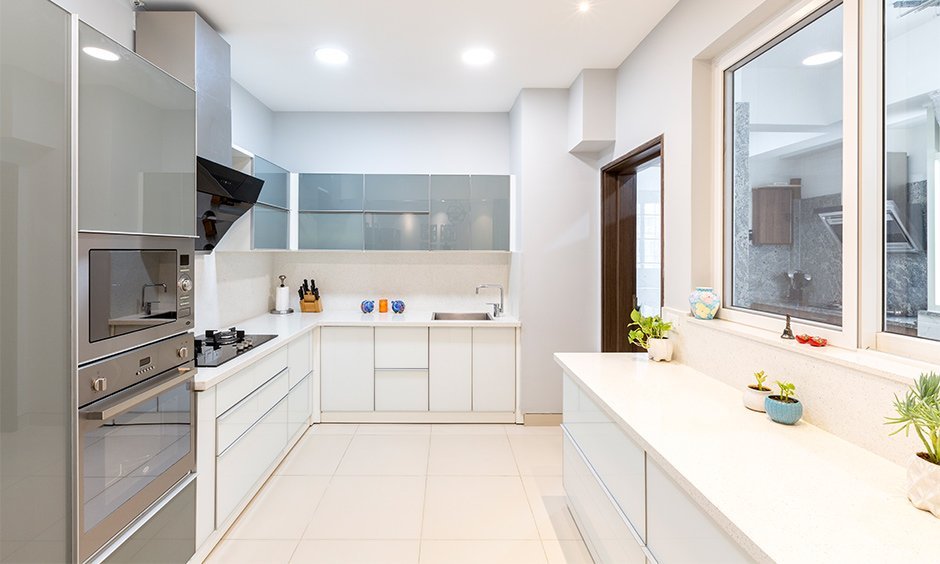
The Heart of the Home, Reimagined
When my friend Priya renovated her home last year, she couldn’t stop raving about her new dual-kitchen setup—a wet and dry kitchen that transformed her cooking routine. This trend, popular in Asia and gaining traction globally, splits kitchen functions into two zones for efficiency and style. Whether you’re a home cook juggling messy stir-fries or a neat-freak baker, understanding wet vs. dry kitchens can elevate your home’s functionality and aesthetic. Let’s dive into this modern design concept and explore how it can work for you.
What Are Wet and Dry Kitchens?
A wet kitchen is designed for heavy-duty cooking tasks like frying, boiling, and washing, while a dry kitchen focuses on lighter prep, serving, and socializing. Together, they create a seamless workflow, keeping messy tasks contained and polished areas guest-ready. This setup is ideal for modern homes where kitchens double as social hubs and culinary workspaces.
Defining the Wet Kitchen
The wet kitchen is the workhorse of the duo, equipped for tasks that involve water, oil, or heat. Think chopping veggies, washing dishes, or cooking a curry that splatters. It’s often tucked away for practicality, with durable surfaces and ample ventilation.
Defining the Dry Kitchen
The dry kitchen is the showpiece, designed for light prep, serving, and entertaining. It’s where you might plate desserts, brew coffee, or host guests for drinks. With sleek countertops and minimal mess, it’s the kitchen’s polished front face.
Why Choose a Wet and Dry Kitchen Setup?
Splitting your kitchen into wet and dry zones offers a tailored approach to cooking and lifestyle needs. Priya, who loves hosting dinner parties, found that her wet kitchen kept curry stains off her marble island, while the dry kitchen became a chic bar area. This design maximizes efficiency, cleanliness, and aesthetic appeal, especially in open-plan homes.
Cultural Roots and Modern Appeal
The wet-dry kitchen concept originated in Southeast Asia, where humid climates and bold cuisines like Malaysian or Indian cooking demand robust ventilation and easy-clean surfaces. Today, it’s a global trend, appealing to homeowners who want both practicality and elegance. It’s perfect for multi-generational households or those who entertain often.
Benefits for Modern Lifestyles
This setup suits busy families, foodies, and design enthusiasts alike. Wet kitchens handle the chaos of meal prep, while dry kitchens keep your home guest-ready. It’s a game-changer for open-plan layouts, where a tidy dry kitchen blends seamlessly with living spaces.
Designing a Wet Kitchen: Key Features
A well-designed wet kitchen is all about durability and function. It’s where the real cooking happens, so it needs to withstand heat, grease, and water. Here are the essentials:
- Stainless Steel or Quartz Countertops: Easy to clean and resistant to stains.
- Double Sink: For washing dishes and soaking laundry, common in Asian households.
- High-Powered Ventilation: A strong range hood to handle steam and odors.
- Tile Backsplash: Ceramic or porcelain tiles resist splashes and are simple to wipe down.
- Ample Storage: Cabinets for pots, pans, and spices keep clutter at bay.
The wet kitchen is often semi-enclosed or tucked behind the dry kitchen to contain mess, with easy access to utilities like gas and water.
Placement and Layout
Wet kitchens are typically placed at the back of the house or near an outdoor area for ventilation. L-shaped or U-shaped layouts maximize counter space, while a small island can double as a prep station. Priya’s wet kitchen, for instance, opens to a small patio, letting steam escape during her famous biryani sessions.
Appliances for Wet Kitchens
Invest in appliances built for heavy use: a gas range for high-heat cooking, a dishwasher for quick cleanup, and a deep freezer for bulk storage. Brands like Bosch or KitchenAid offer durable options suited for wet kitchens.
Designing a Dry Kitchen: Key Features
The dry kitchen is your home’s social hub, blending style with light functionality. It’s where you display your sleek coffee machine or serve charcuterie boards to guests. Key elements include:
- Marble or Granite Countertops: Luxurious and low-maintenance for light prep.
- Island or Bar Area: Perfect for serving drinks or casual dining.
- Minimalist Appliances: Think a microwave, electric kettle, or toaster oven.
- Open Shelving: Show off stylish dishware or cookbooks for a curated look.
- Mood Lighting: Pendant lights or under-cabinet LEDs create ambiance.
This space often faces the living or dining area, making it ideal for open-plan homes.
Placement and Layout
Dry kitchens are typically front-facing, integrated into the main living space. A straight-line or island layout works best, offering easy access for guests. Priya’s dry kitchen island, with its sleek quartz top, doubles as a buffet during parties, keeping her living room clutter-free.
Appliances for Dry Kitchens
Focus on compact, stylish appliances: a Nespresso machine for coffee, a Smeg toaster for aesthetics, or a small wine cooler for entertaining. These keep the space functional without overwhelming it.
Wet vs. Dry Kitchen: A Side-by-Side Comparison
Choosing between a wet and dry kitchen—or integrating both—depends on your needs. Here’s a comparison to clarify their roles:
| Feature | Wet Kitchen | Dry Kitchen |
|---|---|---|
| Primary Function | Heavy cooking, washing, prep | Light prep, serving, socializing |
| Location | Back of house, semi-enclosed | Front-facing, open to living areas |
| Countertops | Stainless steel, quartz | Marble, granite |
| Appliances | Gas range, dishwasher, deep freezer | Coffee maker, microwave, wine cooler |
| Ventilation | High-powered range hood | Minimal or none |
| Ambiance | Functional, utilitarian | Stylish, guest-friendly |
Best For: Wet kitchens suit avid cooks or families with messy recipes, while dry kitchens shine for entertainers or minimalist households.
Pros and Cons of Wet and Dry Kitchens
Like any design choice, this setup has its highs and lows. Here’s a balanced look:
Pros:
- Efficiency: Separates messy tasks from polished spaces, streamlining workflow.
- Cleanliness: Keeps grease and odors contained in the wet kitchen.
- Aesthetic Appeal: Dry kitchen doubles as a stylish social hub.
- Flexibility: Suits diverse cuisines and lifestyles, from Asian to Western.
Cons:
- Space Requirements: Needs a larger footprint, challenging for small homes.
- Cost: Dual kitchens increase renovation expenses (average $20,000-$50,000).
- Maintenance: Two spaces mean double the cleaning, especially in the wet kitchen.
- Redundancy: Some may find a single kitchen sufficient for their needs.
Cost Breakdown for Wet and Dry Kitchens
Budgeting for a dual-kitchen setup varies by home size and materials. Here’s an estimated cost breakdown for a medium-sized home:
| Item | Wet Kitchen Cost | Dry Kitchen Cost |
|---|---|---|
| Countertops | $2,000 – $5,000 | $3,000 – $7,000 |
| Appliances | $3,000 – $8,000 | $1,000 – $3,000 |
| Cabinetry | $4,000 – $10,000 | $3,000 – $8,000 |
| Ventilation & Plumbing | $2,000 – $5,000 | $500 – $1,500 |
| Lighting & Fixtures | $1,000 – $3,000 | $1,500 – $4,000 |
| Total (per kitchen) | $12,000 – $31,000 | $9,000 – $23,500 |
Total for Both: $21,000 – $54,500, depending on materials and labor. For budget-friendly options, consider IKEA cabinets or quartz over marble.
Real-Life Example: Priya’s Kitchen Transformation
Priya’s 2024 renovation in her suburban Toronto home is a perfect case study. Her wet kitchen, tucked behind a sliding glass door, features stainless steel counters and a six-burner gas range for her weekly meal preps. The dry kitchen, open to the living room, has a sleek island where her kids do homework and guests gather for wine nights. “It’s like having a secret superpower,” she says, laughing. “My curry chaos stays hidden, but I still look like a Pinterest mom.”
Lessons from Priya’s Experience
Priya worked with a local designer from Kraftmaid to balance function and style. She advises prioritizing ventilation in the wet kitchen and investing in a statement island for the dry kitchen. Her biggest win? A double sink in the wet kitchen that handles dishes and laundry prep for her multi-generational household.
Designing for Small Spaces
Don’t have room for two full kitchens? You can still adopt the wet-dry concept in compact homes. Use a galley layout with a wet zone (sink, stove) at one end and a dry zone (counter, coffee station) at the other. Alternatively, a partition wall or sliding door can separate functions without sacrificing space.
Tips for Small Homes
In apartments, opt for a single kitchen with designated zones. A butcher block counter for prep can double as a dry kitchen area, while a corner sink handles wet tasks. Use stackable appliances to save space, like a Bosch 24-inch dishwasher.
Where to Find Inspiration and Professionals
Ready to design your dual kitchen? Here are resources to get started:
- Inspiration: Browse Houzz or Pinterest for wet and dry kitchen designs. Look for Asian-inspired layouts for authentic ideas.
- Designers: Hire a kitchen planner from firms like IKEA or California Closets for custom solutions.
- Contractors: Local contractors via HomeAdvisor can handle plumbing and electrical needs.
- Suppliers: Shop for appliances at Best Buy or countertops at Home Depot.
People Also Ask (PAA)
Here are answers to common questions about wet and dry kitchens, sourced from Google’s PAA:
1. What is the difference between a wet and dry kitchen?
A wet kitchen is for heavy cooking and cleaning tasks, with durable surfaces and strong ventilation. A dry kitchen is for light prep and entertaining, featuring stylish finishes and minimal appliances.
2. Is a wet and dry kitchen worth it?
Yes, if you cook frequently or entertain often. It keeps messes contained and enhances open-plan living, though it requires more space and budget than a single kitchen.
3. Can I have a wet and dry kitchen in a small house?
Absolutely. Use a single kitchen with designated zones or a partition to separate wet and dry functions. Compact appliances and clever layouts maximize space.
4. How much does a wet and dry kitchen cost?
Costs range from $21,000 to $54,500 for both kitchens, depending on materials, appliances, and labor. Budget options like IKEA cabinets can lower expenses.
Best Tools and Materials for Kitchen Design
Investing in quality tools and materials ensures a functional, long-lasting kitchen. Here’s what to consider:
- Countertops: Quartz (e.g., Silestone) for wet kitchens; marble (e.g., Carrara) for dry kitchens.
- Sinks: A deep stainless steel sink like Kohler Vault for wet kitchens; a smaller undermount sink for dry kitchens.
- Range Hoods: High-CFM hoods like Broan Elite for wet kitchens.
- Design Software: Use RoomSketcher or SketchUp to plan layouts.
FAQ Section
Q: How do I decide if I need a wet and dry kitchen?
Consider your cooking habits and lifestyle. If you cook messy dishes often or entertain frequently, the dual setup keeps your home functional and stylish.
Q: Can I retrofit a wet and dry kitchen into an existing home?
Yes, but it requires plumbing and electrical adjustments. Work with a contractor to assess space and budget, starting at $20,000 for a basic retrofit.
Q: What’s the best layout for a wet and dry kitchen?
An L-shaped wet kitchen with a central dry kitchen island works well for most homes. For small spaces, a galley layout with zoned areas is efficient.
Q: Are wet and dry kitchens only for Asian households?
No, they’re gaining popularity worldwide, especially in open-plan homes or for avid cooks who want a tidy, guest-ready space.
Q: How do I maintain a wet and dry kitchen?
Clean wet kitchen surfaces daily to prevent grease buildup. Dry kitchens need less upkeep—wipe counters and organize shelves weekly.
Conclusion: A Kitchen That Works for You
The wet and dry kitchen setup is more than a trend—it’s a lifestyle upgrade that blends practicality with elegance. Priya’s story shows how it can transform daily cooking and entertaining, making your home both functional and inviting. Whether you’re frying up a storm or hosting a chic cocktail night, this design keeps every task in its place. Ready to rethink your kitchen? Consult a designer, explore layouts, and create a space that’s as hardworking as it is beautiful. Your dream kitchen awaits.