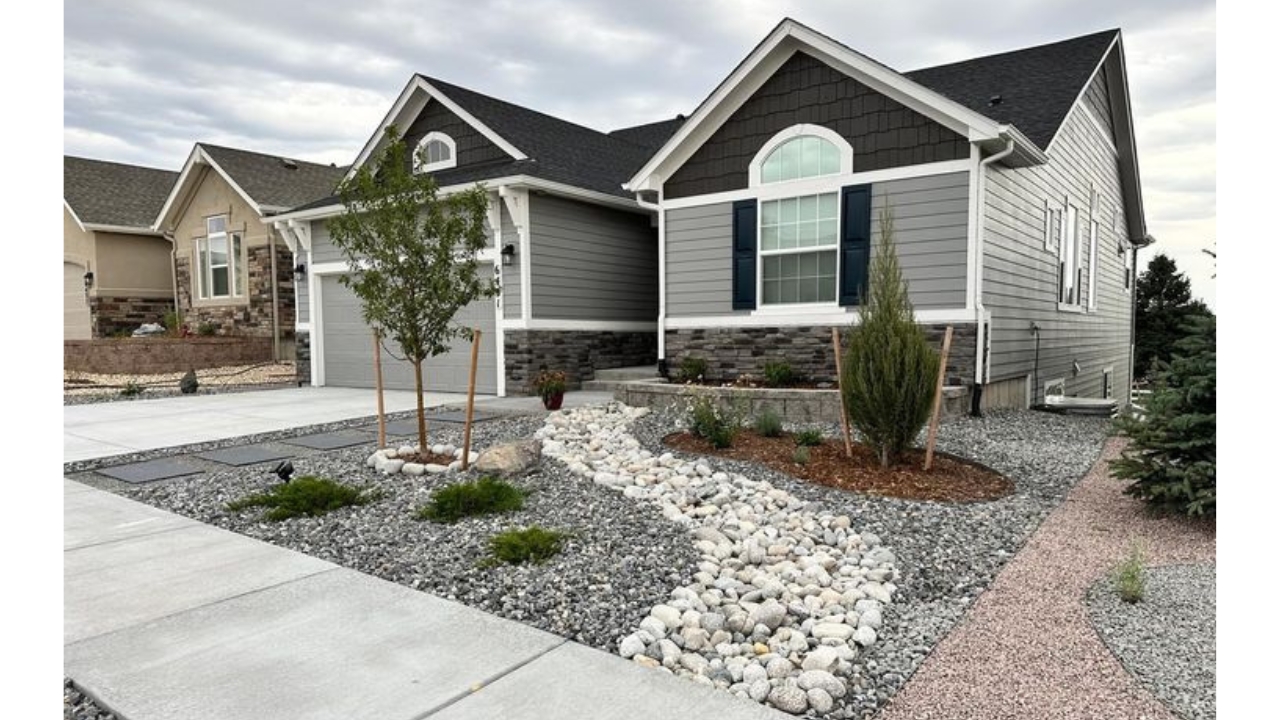
Hey there, fellow homeowners! If you’ve got a gray house like mine, you know how it can be both a blank canvas and a bit of a challenge when it comes to landscaping. Gray is sleek, modern, and versatile, but picking the right mulch to complement it. That’s where the fun (and sometimes the frustration) begins. I remember when we first moved into our cozy gray-sided home a few years back— the yard looked a little bland, and I spent weeks obsessing over mulch options. Should I go for something natural that blends in seamlessly, or splash out with colored mulch for that pop of personality? If you’re in the same boat, searching for the best mulch colors for gray houses, you’re in the right place.
In this post, we’re diving deep into the world of mulch colors for gray houses, pitting colored mulch against natural mulch to help you decide what’s epic for your curb appeal. We’ll cover everything from the basics to pro tips, all while keeping things real and relatable. By the end, you’ll feel confident about transforming your yard into a neighborhood standout. Let’s get into it!
Why Mulch Matters for Gray Houses
First off, let’s talk about why mulch is such a game-changer for homes with gray exteriors. Gray houses are everywhere these days—from cool slate grays to warmer taupe shades—and they exude that contemporary vibe. But without the right landscaping, they can sometimes feel a tad stark or unfinished. Mulch isn’t just about weed control or moisture retention (though those are huge perks); it’s a key player in tying your yard together visually.
Think of mulch as the frame around your house’s portrait. The right color can enhance the gray tones, making your home look more inviting and polished. I’ve seen gray houses go from “meh” to “wow” just by swapping out plain dirt beds for thoughtfully chosen mulch. And when it comes to SEO-friendly advice (hey, we’re all trying to rank on Google for home improvement tips), keywords like “mulch colors for gray houses” pop up because folks like us are constantly googling for inspiration.
Natural mulch, made from organic materials like bark or wood chips, offers an earthy, timeless look. Colored mulch, on the other hand, is dyed to achieve vibrant hues and can add a modern twist. But which one wins for gray houses? Spoiler: It depends on your style, budget, and maintenance preferences. Stick around as we break it down.
The Basics of Natural Mulch

Let’s start with the classic: natural mulch. This is the stuff straight from nature—think shredded bark from pine, cedar, or hardwood trees. It’s what I used initially in my yard because it felt safe and straightforward. Natural mulch comes in shades like rich browns, reddish tones from cedar, or even darker blacks from aged hardwood.
Pros of natural mulch? It’s eco-friendly, breaking down over time to enrich your soil with nutrients. No harsh chemicals here, which is a big win if you have kids or pets romping around. It also suppresses weeds like a champ and helps retain soil moisture, saving you on watering bills. From a visual standpoint, natural mulch colors for gray houses can create a subtle contrast that lets your home’s gray facade shine without overwhelming it.
But it’s not all sunshine and rainbows. Natural mulch fades over time—those deep browns can turn grayish after a season or two under the sun. It might also attract pests if not applied properly, and you’ll need to top it off annually as it decomposes. Cost-wise, it’s usually affordable, running about $3-5 per bag at your local garden center.
In my experience, when I laid down natural pine bark around our gray house, it gave the yard a cozy, woodland feel. It was like wrapping the foundation in a warm hug. If you’re leaning toward low-key elegance, natural mulch is your best bet.
Exploring Colored Mulch Options
Now, onto the flashy contender: colored mulch. This is essentially natural wood mulch that’s been dyed with safe, non-toxic pigments to achieve bold colors like red, black, gold, or even blue (though that’s rarer for home use). I experimented with red colored mulch last spring, and let me tell you, it was a head-turner!
The biggest pro of colored mulch is its longevity in terms of vibrancy. Unlike natural stuff, the color holds up better against fading, often lasting 1-2 years before needing a refresh. It’s perfect for adding contrast to gray houses—imagine a deep black mulch against a light gray exterior; it’s sleek and modern, almost like a designer touch. Colored mulch also does all the practical things: weed control, moisture retention, and soil insulation.
On the flip side, it’s pricier—expect to pay $5-8 per bag—and some folks worry about the dyes leaching into the soil, though most brands use vegetable-based or iron oxide dyes that are safe. It doesn’t break down as beneficially as natural mulch, so it won’t feed your plants the same way. Plus, if you pick a super bright color, it might clash if your gray house has warmer undertones.
For gray houses specifically, colored mulch can elevate your landscaping game. A friend of mine with a charcoal gray home went with midnight black colored mulch, and it looked straight out of a magazine. If you’re all about making a statement, this could be your epic choice.
Top Natural Mulch Colors for Gray Houses

Alright, let’s get specific. What are the best natural mulch colors for gray houses? Based on my trials and what I’ve seen in neighborhoods, here are my top picks:
- Cedar Red: This warm, reddish-brown hue adds a subtle warmth to cooler gray tones. It’s like pairing a gray sweater with rust-colored boots—cozy and balanced. Great for traditional or farmhouse-style gray homes.
- Dark Hardwood Brown: A deep, chocolatey brown that provides strong contrast without being overwhelming. It grounds the yard visually and works wonders for modern gray exteriors, making plants pop.
- Pine Bark Nuggets: These come in a lighter tan-brown and offer texture along with color. They’re ideal if your gray house has beige undertones, creating a seamless, natural flow.
I once helped my neighbor choose cedar red for her light gray colonial, and it transformed her flower beds from drab to fab. Pro tip: Layer it 2-3 inches deep for the best look and functionality.
When comparing colored vs natural mulch for gray houses, natural options shine for their authenticity. They blend with the environment, especially if you live in wooded areas, and they age gracefully, much like a fine wine.
Epic Colored Mulch Colors for Gray Houses
Switching gears, colored mulch brings the drama. Here are some standout choices tailored for gray houses:
- Jet Black: Hands down, the most popular for contemporary vibes. Against a gray house, black mulch creates a high-contrast, sophisticated edge. It’s like outlining your landscape in bold marker—crisp and clean.
- Cherry Red: For a bolder statement, red colored mulch adds energy and warmth. It pairs beautifully with medium gray homes, evoking a sense of playfulness. I used this around my front beds, and it made our gray siding feel more vibrant.
- Golden Brown: A sunny, honey-toned option that’s less intense than red but more vivid than natural brown. Perfect for gray houses with yellow undertones, it brightens up shady spots.
One thing I love about colored mulch is how it can match seasonal decor. For fall, a red mulch amps up the autumn leaves; in spring, black keeps things sleek. But remember, with colored mulch vs natural, you’re trading some eco-benefits for that wow factor.
Colored vs Natural Mulch: The Ultimate Showdown
So, colored mulch vs natural mulch—which reigns supreme for gray houses? It boils down to your priorities. If sustainability and soil health top your list, go natural. It’s cheaper long-term and feels more organic (pun intended). On the other hand, if you crave low-maintenance vibrancy and a custom look, colored mulch wins.
From an aesthetic angle, natural mulch offers subtlety—ideal for minimalist gray homes. Colored mulch? It’s for those epic pops that make your yard Instagram-worthy. Budget-wise, natural is friendlier, but colored’s durability might save you time.
Personally, I’ve switched between both. Natural felt right for our backyard veggie garden, while colored jazzes up the front. Consider your climate too—natural decomposes faster in wet areas, while colored holds color better in sunny spots.
Application and Maintenance Tips
No matter which you choose, proper application is key. Start by weeding your beds thoroughly, then lay down a landscape fabric if weeds are a big issue (though some purists skip this for natural mulch). Spread 2-4 inches evenly, keeping it away from tree trunks to prevent rot.
Maintenance? Rake natural mulch occasionally to fluff it up; refresh colored every couple of years. Water deeply but infrequently to maximize benefits. And hey, mix it up—use natural in backyards and colored upfront for variety.
I’ve learned the hard way: Don’t skimp on quality. Cheap mulch can harbor fungi or pests. Shop at reputable spots or even consider bulk delivery for bigger yards.
Wrapping It Up: Your Gray House Deserves Epic Mulch
There you have it—your guide to epic mulch colors for gray houses, from the timeless appeal of natural to the bold flair of colored. Whether you’re team natural for that earthy vibe or team colored for standout style, the right choice can elevate your home’s curb appeal and make you fall in love with your yard all over again.
I’d love to hear your thoughts—what mulch have you tried on your gray house? Drop a comment below or share your before-and-after pics. If you’re ready to shop, check out local nurseries or online spots like Home Depot for ideas. Happy mulching, friends—let’s make those gray houses glow!